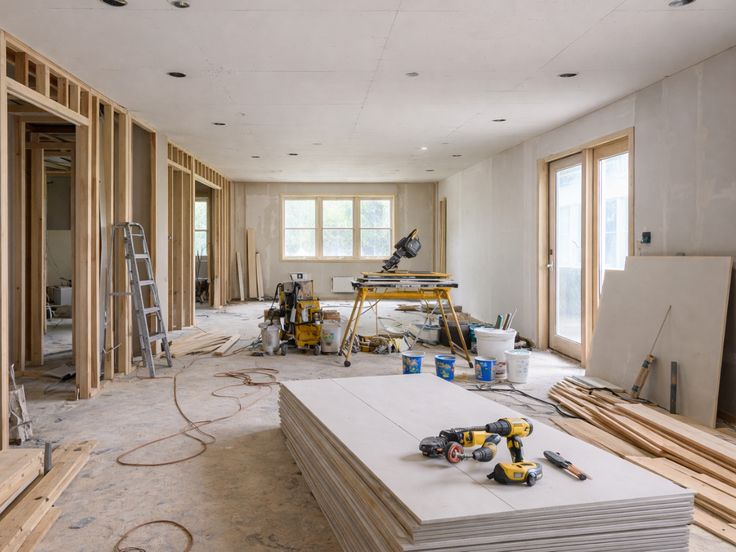
Buying a house is exciting. However, an acquired house needs modernisation. Renovation gives you an opportunity to make the space comfortable, functional and suited to your lifestyle.
A successful renovation starts with careful planning. Renovation Kenya helps homeowners approach renovation as a coordinated project rather than a collection of unrelated repairs. You can begin by exploring our guide to house renovation services in Kenya to understand the types of improvements that may be involved.
1. Inspect the House Before Starting Renovation
Roof and ceilings
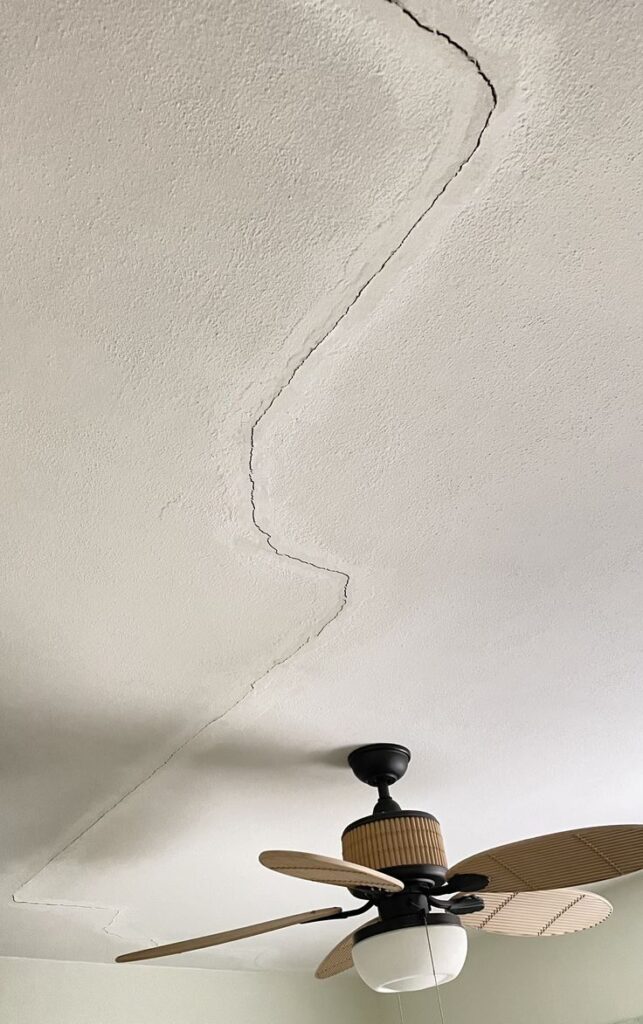
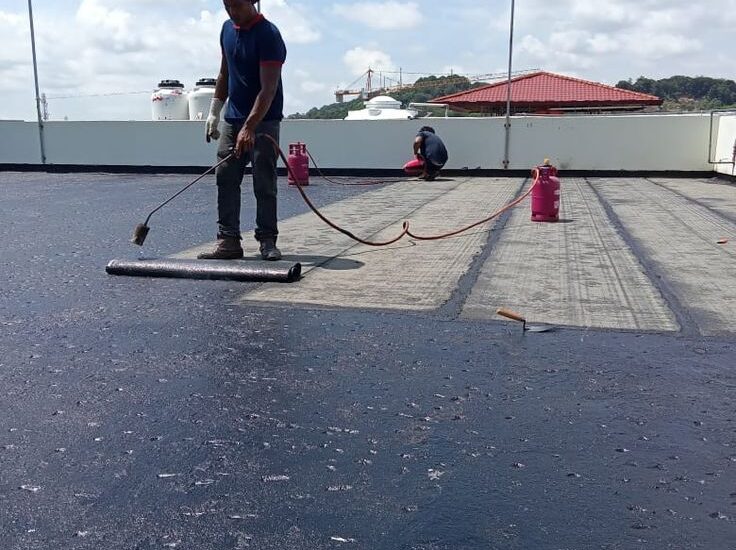
Look for roof leaks, broken roofing materials, water stains, cracks around ceiling joints, peeling paint and sagging boards. A ceiling stain may indicate a roof leak or a plumbing problem above the ceiling, so identify the cause before applying a new finish.
Read our guide to common ceiling problems in Kenyan homes to understand common warning signs and the repairs that may be necessary.
Plumbing and drainage
Check taps, toilets, showers, sinks, drainage points and visible pipes. Look for leaks, slow drainage, water pressure problems and damp patches around bathrooms or the kitchen. If the property has been vacant for a long time, arrange appropriate checks before relying on the existing plumbing.
Electrical system
Check the condition of switches, sockets, lighting and the electrical distribution board. Have a qualified electrician assess suspected faults, outdated installations or insufficient power points. Do not assume that an electrical system is safe simply because the lights work.
Kitchen and bathrooms
Inspect cabinet doors, hinges, worktops, sinks, taps, tiles, shower fittings, toilets and ventilation. Determine whether the existing layout works for your household or whether changes are needed.
If the kitchen needs a major upgrade, our guide to kitchen renovation costs in Kenya explains how cabinets, countertops, plumbing and finishes influence the budget. For bathrooms, read what a full bathroom renovation includes.
Wardrobes, doors and storage
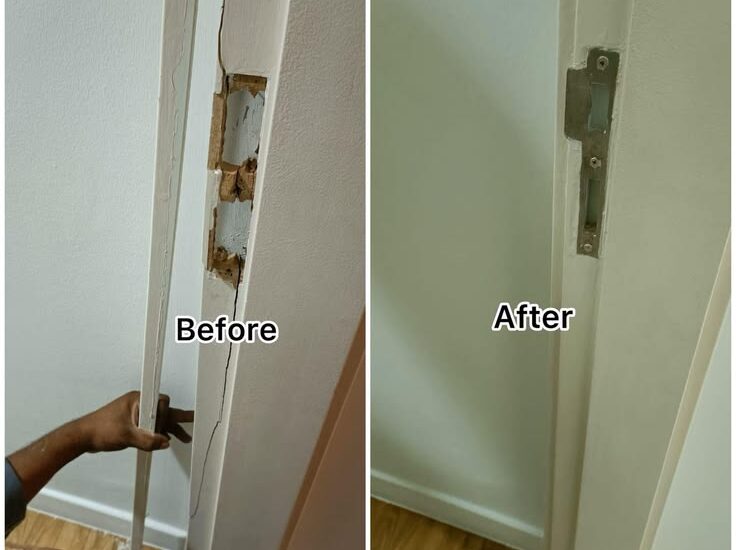
Open and close every wardrobe door and drawer. Check for damaged hinges, sagging shelves, peeling finishes and insufficient storage. Also inspect room doors, locks, handles and door frames.
2. Involve Renovation Kenya Before Buying Materials
After the initial inspection, arrange a professional site assessment. This helps establish which areas need repair, which can be retained and which should be redesigned.
A renovation planning process may include:
- Site inspection: Assess existing finishes, visible defects and the condition of the areas to be renovated.
- Measurements: Record room dimensions, wall lengths, ceiling heights, openings and cabinet spaces.
- Design and layout: Plan kitchen storage, wardrobe arrangements, lighting positions and the use of available space.
- Drawings and specifications: Prepare layout drawings or other design details where required.
- Scope of work: List the repairs, installations and finishing work included in the project.
- Quotation: Estimate materials, labour, installation and other project expenses.
For homes that need more than cosmetic improvements, our guide to home remodelling in Nairobi explains how renovation differs from changing the layout or function of a space.
3. Prioritise Essential Repairs
Do not begin with decorative finishes if the house has underlying problems. Address roof leaks, plumbing faults, unsafe electrical installations, dampness and damaged surfaces first.
Depending on the inspection findings, repair work may include:
- Ceiling cracks, loose boards and damaged joints.
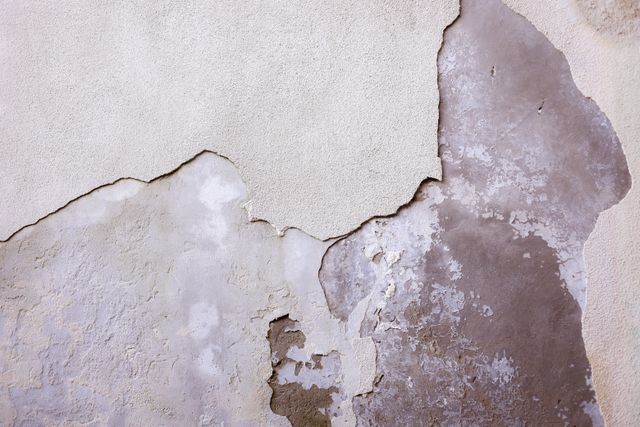
- Wall cracks, plaster defects and peeling paint.
- Plumbing leaks and drainage faults.
- Electrical repairs and additional approved installations.
- Waterproofing in bathrooms and other wet areas.
- Removal of damaged or unwanted fittings.
Where old finishes must be removed, follow a planned process. Our guide to safe demolition and dismantling for renovation projects explains why inspection, protection and controlled removal matter.
4. Upgrade the Kitchen and Bathrooms
Once the underlying repairs are addressed, focus on spaces that influence everyday comfort.
Kitchen work may include new or repaired cabinets, countertops, sinks, taps, backsplash tiles, lighting and improved storage. Compare materials before making decisions; our guide to kitchen cabinet materials, including MDF, HDF and plywood will help you understand the options.
Bathroom improvements may involve new tiles, waterproofing, plumbing, sanitary fittings, shower screens, vanity cabinets and ventilation. For tile selection and workmanship, read our guide to professional tile installation for kitchens and bathrooms.
5. Plan Wardrobes, Painting, Flooring and Lighting
Built-in wardrobes can improve storage through shelves, drawers, hanging sections and accessories designed for the available space. Measure carefully before ordering cabinetry.
Next, consider wall painting, flooring, ceiling finishes, lighting, doors and hardware. Coordinate the colours and materials so the house feels consistent from one room to another.
If you are renovating a larger family home, the three-bedroom house renovation cost guide and the five-bedroom renovation cost guide provide useful starting points for thinking about the scale of the work.
6. Set a Realistic Budget and Contingency
Divide your budget into essential repairs, room upgrades, finishing work and optional improvements. Request an itemised quotation that shows the scope, material specifications, labour, exclusions and payment milestones.
Set aside a contingency for unexpected defects discovered after work begins. The amount depends on the age and condition of the house; older properties or homes with limited maintenance records may need more flexibility.
Avoid spending the entire budget on decorative materials before confirming the cost of essential repairs.
Areas We Serve
Renovation Kenya welcomes house renovation enquiries from Nairobi and surrounding areas. We have undertaken projects in Westlands, Lavington, Karen, Kilimani, Kileleshwa, Runda, Muthaiga, Gigiri, Loresho, Lang’ata, Rongai, Spring Valley, Lower Kabete, Ruaka, Utawala and Ruiru.
We have also done projects in Mombasa, Kisumu, Nakuru, Eldoret, Naivasha, Meru, Thika and Machakos, as well as other areas across Kenya. Contact us to confirm availability, arrange a site assessment and discuss your project requirements.
Start Planning Your House Renovation
A well-planned renovation can help you avoid unnecessary spending, coordinate different trades and create a home that suits your needs. Visit Renovation Kenya to discuss your project and arrange an assessment.
Call or WhatsApp: 0717 044 443 / 0739 255 050 / 0725 021 709
Email: info@suimas.co.ke