Flat roofs, roof terraces and exposed concrete rooftops are useful features in many modern residential and commercial buildings. They can provide additional outdoor space, accommodate water tanks and mechanical equipment, or create accessible areas for relaxation. However, rooftops are constantly exposed to rain, sunlight, temperature changes and drainage challenges. Without a properly installed and maintained waterproofing system, water can penetrate the roof structure and damage ceilings, walls, electrical installations and interior finishes.
In Nairobi and other parts of Kenya, rooftop waterproofing should therefore be treated as a technical renovation project rather than a simple painting exercise.
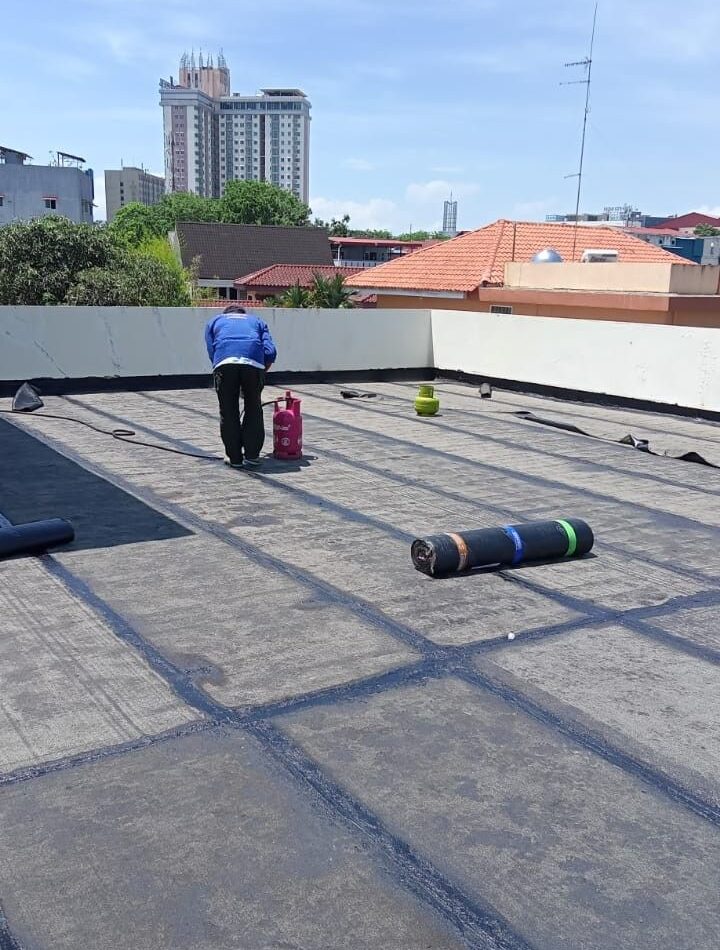
Renovation Kenya helps property owners plan renovation and waterproofing-related improvements, including roof repairs, surface preparation, drainage improvements, plaster repairs and reinstatement of damaged finishes.
Signs That Your Rooftop Needs Waterproofing
Waterproofing problems are not always immediately visible. Sometimes the first indication appears inside the building, several metres away from the actual point of water entry.
Look out for the following warning signs:
- Water stains on ceilings below the rooftop.
- Damp patches on adjoining interior or exterior walls.
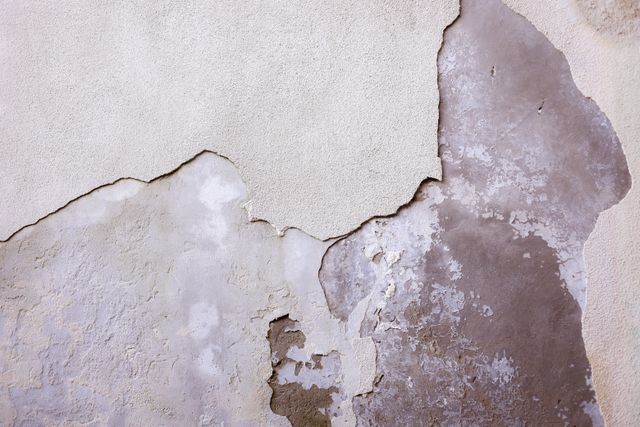
- Peeling paint and bubbling plaster.
- Mould growth or persistent musty smells.
- Cracked rooftop tiles or loose grout.
- Water pooling on the roof after rainfall.
- Rusting balcony railings and exposed metal fixtures.
- Deteriorating roof finishes and visible cracks.
- Water entering around rooftop doors, outlets and service penetrations.
If these symptoms are already appearing inside the property, it is important to investigate the source before repainting or replacing the affected finishes.
Our guide on damp walls in Kenyan homes explains how moisture can enter through roofs, plumbing systems, exterior walls and poorly protected terraces.
Common Causes of Rooftop Water Leakage
1. Failed Waterproofing Membrane
A waterproofing membrane forms a protective barrier against water penetration. Over time, an old or poorly installed membrane may crack, separate, blister or lose adhesion.
Once the protective layer fails, water can penetrate the underlying concrete or screed and eventually appear inside the building.
2. Poor Roof Slope and Drainage
A rooftop should allow rainwater to flow towards designated drainage outlets.
Where the slope is inadequate or has deteriorated, water may remain on the surface for extended periods. Standing water places additional demands on the waterproofing system and increases the risk of leakage.
Correcting the drainage arrangement may require screed repairs, adjustments to the roof falls or improvements to drainage outlets.
3. Blocked Roof Drains
Leaves, dust, construction debris and other materials can block rooftop drainage outlets.
When rainwater cannot escape properly, it may accumulate around the outlets and increase the likelihood of water entering through weak joints or damaged finishes.
Regular inspection and cleaning of roof drains are important maintenance activities.
4. Cracked Screed and Surface Finishes
Concrete screed, tiles and grout can develop cracks due to ageing, movement, poor installation or exposure to weather.
5. Weak Joints and Edges
Rooftop leaks frequently occur around junctions and transitions rather than across the main roof surface.
Common problem areas include:
- Joints where the roof meets vertical walls.
- Areas surrounding railings and support structures.
- Drainage outlets and pipe penetrations.
- Door thresholds leading to rooftop terraces.
- Expansion joints and construction joints.
- Connections between different roofing materials.
These details require suitable waterproofing treatment rather than simply applying a coating over the entire surface.
Rooftop Waterproofing Methods Used in Kenya
The appropriate waterproofing system depends on the roof design, surface condition, expected use, drainage arrangement and existing waterproofing.
1. Liquid-Applied Waterproofing
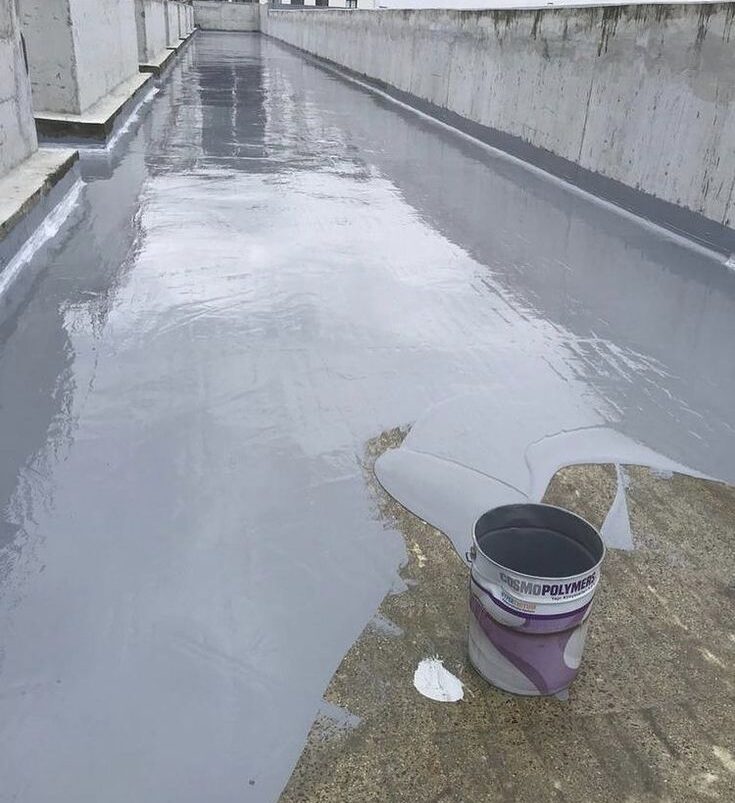
Liquid-applied systems are installed as coatings that form a continuous waterproof layer after curing. The substrate must be properly prepared, and the product must be compatible with the existing surface.
2. Bituminous Waterproofing Membranes
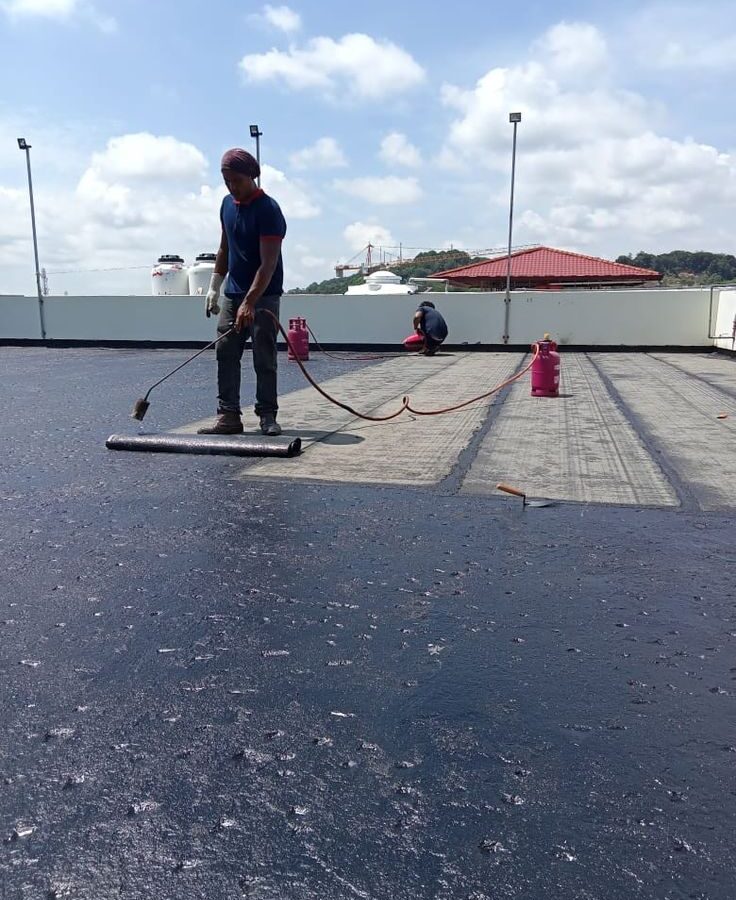
Bituminous membranes are commonly used in roofing and waterproofing applications. They are installed over prepared substrates and provide a protective layer against water penetration. Installation requires appropriate detailing at joints, outlets, edges and vertical surfaces.
3. Cementitious Waterproofing
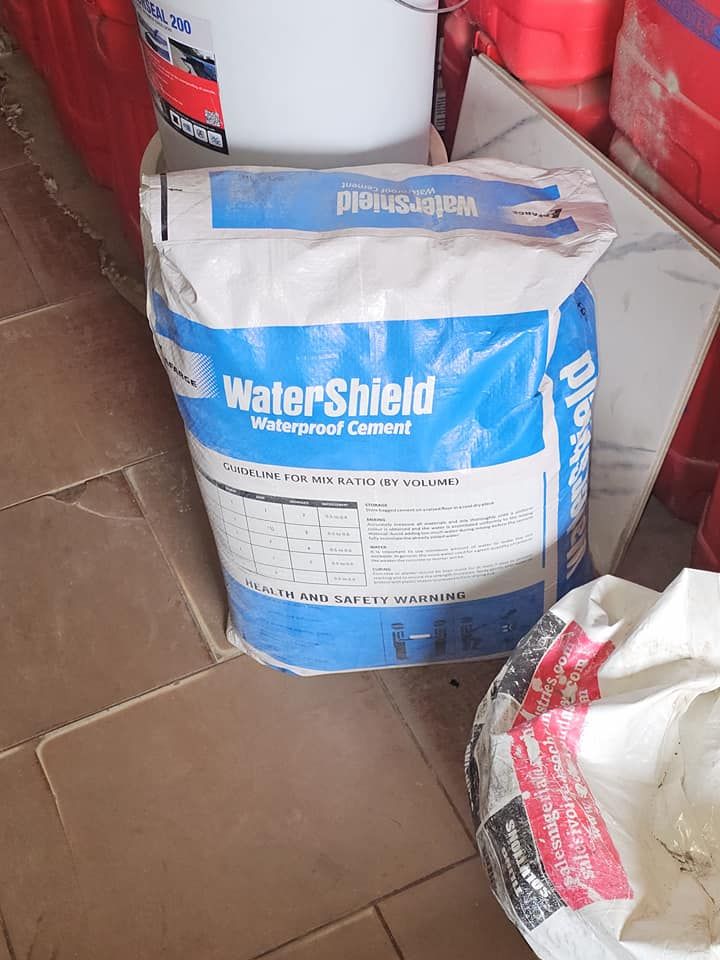
Cementitious is suitable for particular roof details and areas exposed to moisture, depending on the manufacturer’s specifications and the conditions of the substrate.
4. Polyurethane Waterproofing Systems
Polyurethane-based waterproofing products can form flexible protective coatings when correctly applied.
Their suitability depends on the product specification, exposure conditions, substrate preparation and whether additional protection is required against sunlight or foot traffic.
5. Protective Screed and Tiling Systems
Some rooftops and terraces have screed or tiled finishes above the waterproofing layer. These finishes can provide a usable surface and protect the underlying system, but tiles and grout should not automatically be considered the primary waterproofing barrier.
Professional Rooftop Waterproofing Process
A lasting waterproofing solution begins with identifying the source of leakage and selecting a system suitable for the roof.
Step 1: Site Inspection and Assessment
The inspection should consider internal water stains, adjoining walls and the ceiling below the affected area.
Step 2: Remove Damaged Finishes Where Necessary
Loose tiles, damaged screed, failed coatings and other unsuitable materials may need to be removed.
The extent of removal depends on the condition of the existing roof and whether the old waterproofing system can be retained.
Where extensive dismantling is required, it should be planned carefully. See our guide on safe demolition and dismantling during renovation in Kenya.
Step 3: Repair the Substrate
Cracks, weak concrete, damaged screed and other surface defects should be repaired using suitable materials.
Drainage outlets and other critical details should also be checked before the waterproofing system is installed.
Step 4: Apply the Waterproofing System
The selected membrane or coating is installed according to the manufacturer’s requirements.
Correct application is important. Inadequate coverage, poor joint treatment or incorrect curing can compromise the entire system.
Step 5: Protect and Reinstate the Roof Finish
The finished rooftop should allow water to drain properly without damaging the waterproofing layer.
Step 6: Inspect and Test the Completed Work
The completed installation should be inspected to confirm that joints, outlets, edges and penetrations have been treated appropriately.
Preventing Future Rooftop Leaks
Property owners can reduce the risk of recurring problems by:
- Cleaning roof drains and outlets regularly.
- Removing leaves and debris from rooftop surfaces.
- Inspecting the roof after heavy rainfall.
- Repairing cracks and damaged joints promptly.
- Checking waterproofing around door thresholds and wall junctions.
- Avoiding unnecessary drilling or penetration of waterproofed surfaces.
- Ensuring that rooftop installations do not obstruct drainage.
- Inspecting the roof whenever interior ceilings develop unexplained water stains.
If the ceiling below the rooftop has already been damaged, the water source should be repaired before ceiling replacement or repainting. Our guide to common ceiling problems in Kenyan homes discusses some of the defects that can result from moisture exposure.
Rooftop Waterproofing as Part of a Larger Renovation
Waterproofing may be required during a complete building renovation, especially where the property has an accessible rooftop, balcony or exposed concrete terrace.
The project may involve roof repairs, drainage improvements, exterior painting, wall repairs, ceiling reinstatement and other finishing work.
For example, a property with leaking rooftop sections and damp exterior walls may require waterproofing and wall repairs before exterior painting can begin. Our guide to exterior painting renovation services in Kenya explains why moisture-related defects should be corrected before decorative finishes are applied.
You can also explore our house renovation services in Kenya for a broader understanding of the renovation work that may be required.
Factors That Affect Rooftop Waterproofing Costs
The cost of waterproofing depends on the condition and design of the rooftop. Some of the main factors include:
Roof size: Larger surfaces generally require more materials and labour.
Existing damage: Extensive cracks, damaged screed and failed membranes may require additional preparation and repairs.
Waterproofing material: Different systems have different material costs, application requirements and protection needs.
Drainage condition: Blocked or poorly positioned outlets may require additional work.
Accessibility: Difficult-to-access rooftops may require additional labour and safety arrangements.
Final surface finish: The budget may increase where tiles, protective screed or other finishes need to be removed and reinstated.
An accurate quotation should therefore follow a site assessment rather than relying on a general price per square metre without considering the roof’s condition.
Areas We Serve
Renovation Kenya welcomes rooftop waterproofing and related renovation enquiries from Westlands, Lavington, Karen, Kilimani, Kileleshwa, Runda, Muthaiga, Gigiri, Loresho, Lang’ata, Spring Valley, Lower Kabete, Ruaka, Utawala and Ruiru.
We also welcome enquiries from Mombasa, Kisumu, Nakuru, Eldoret, Naivasha, Meru, Thika and Machakos, as well as other locations across Kenya. Contact our team to confirm service availability, arrange an assessment and discuss your project requirements.
Protect Your Property with Rooftop Waterproofing
A leaking rooftop can affect more than the roof itself. If left unresolved, water penetration may damage ceilings, walls, paint, electrical installations and interior finishes.
The best approach is to identify the source of leakage, repair the affected areas and install a suitable waterproofing system before restoring the final finishes.
Contact Renovation Kenya through:
- Call or WhatsApp: 0717 044 443 / 0739 255 050 / 0725 021 709
- Email: info@suimas.co.ke
- Website: https://renovation.co.ke/
Contact our team to discuss your rooftop waterproofing requirements and request a site assessment and quotation