A full bathroom renovation involves much more than replacing tiles or installing a new shower. It may require removing old finishes, repairing plumbing, waterproofing wet areas, upgrading electrical fittings and installing new sanitaryware.
Understanding each stage helps homeowners plan their budgets, coordinate contractors and avoid problems that can become expensive to correct later. Renovation Kenya helps property owners explore renovation services and plan improvements around their needs.
1. Inspection, Design and Planning
The renovation begins with an assessment of the existing bathroom. The contractor checks the room’s dimensions, plumbing, drainage, electrical fittings, ventilation and condition of the walls and floor.
The homeowner can then decide whether to retain the current layout or move items such as the toilet, shower, bathtub or vanity. Keeping plumbing points in their original positions may reduce costs. Relocating them can require additional pipework, drainage adjustments and floor or wall repairs.
A clear scope of work should identify the materials, fixtures, labour, timeline and any specialist work required.
2. Demolition and Removal of Old Fixtures
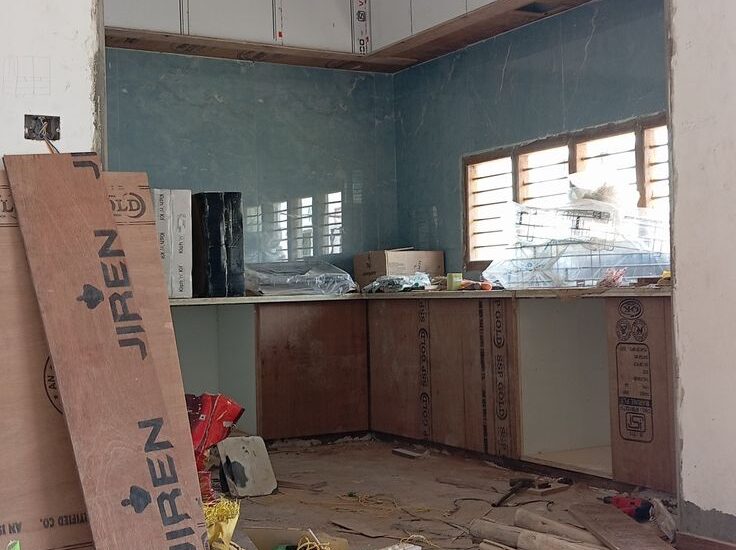
Depending on the project, demolition may include removing old tiles, a damaged vanity, shower screens, sanitaryware, ceiling finishes or outdated plumbing fittings.
Careful dismantling helps protect sections of the property that are not being renovated. Waste should be collected and removed safely, and plumbing or electrical services should be isolated before affected components are taken apart.
Once the room is stripped back, hidden problems such as leaking pipes, damaged plaster or deteriorated screed may become visible.
3. Plumbing and Drainage Upgrades
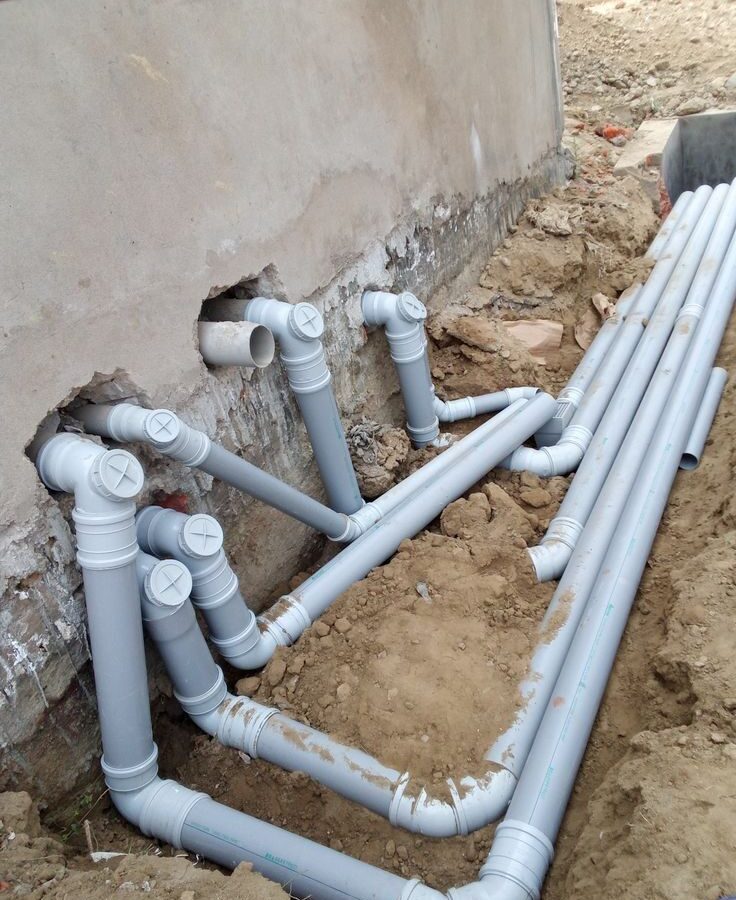
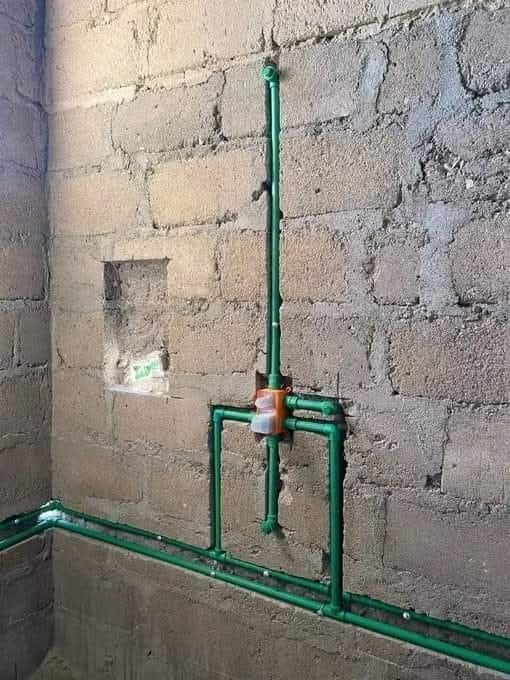
Plumbing work may include replacing worn pipes, adjusting water outlets, installing new taps, upgrading shower connections and correcting drainage problems.
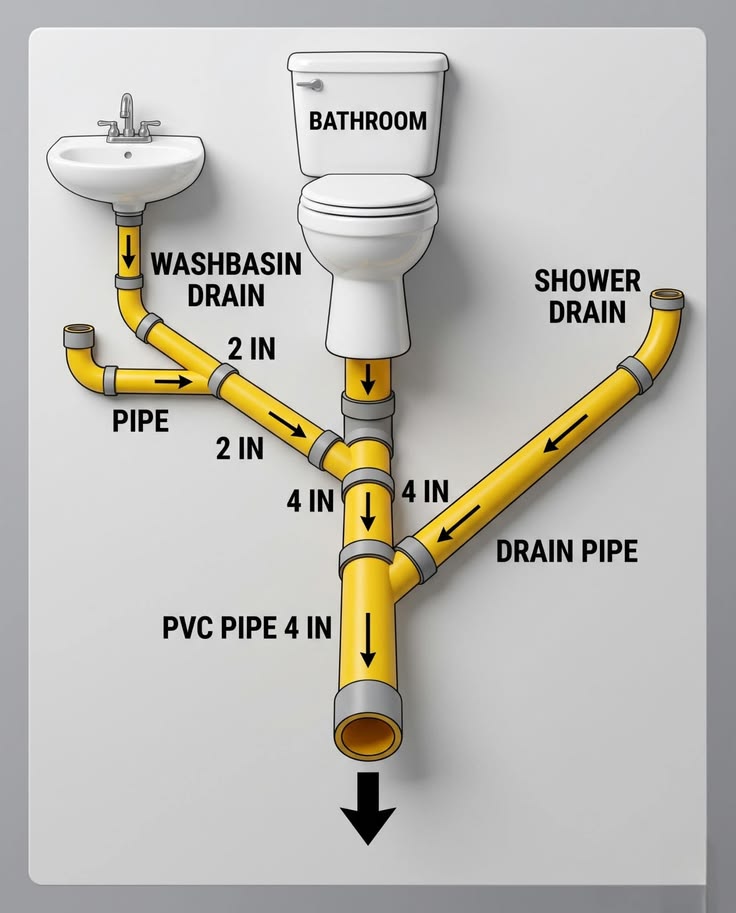
The contractor should check water pressure, pipe connections, drainage gradients and access to service points. If the toilet, shower or basin is being relocated, the proposed layout must accommodate the necessary supply and waste connections.
Plumbing should be tested before walls and floors are closed up or finished.
4. Waterproofing and Surface Preparation
Waterproofing is vital especially around showers and other areas exposed to frequent water.
The substrate must be prepared according to the waterproofing system’s requirements. Membranes, corners, pipe penetrations and floor-to-wall junctions should be treated correctly, with suitable testing or inspection before tiling where specified.
Waterproofing does not replace proper drainage, sealing and ventilation. All these elements work together to help protect the bathroom and adjoining rooms from moisture damage.
5. Wall and Floor Tiling
After the relevant preparation and waterproofing stages are complete, the contractor installs the selected tiles.
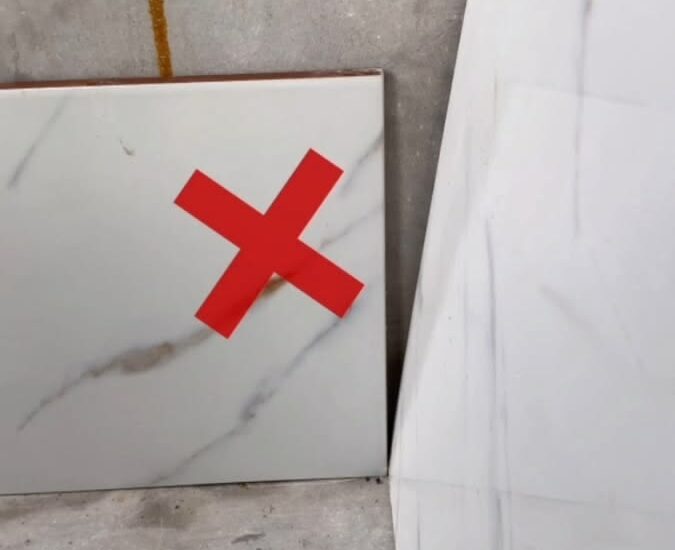
Floor tiles should be suitable for wet conditions, with attention to slip resistance and the slope towards floor drains. Wall tile layouts should be planned around shower fittings, niches, mirrors and other features. The installer should use compatible adhesive and grout, maintain consistent joints and allow the recommended curing time before the bathroom is put back into use.
6. Electrical Work and Lighting
Bathroom electrical work may involve lighting, extractor fans, switches, mirror lighting, water-heater connections or other approved fittings.
Electrical installations in wet areas require particular care. A qualified electrician should select and install suitable equipment, protective devices and fittings in accordance with applicable Kenyan requirements and the bathroom’s moisture exposure.
Electrical work should be coordinated with plumbing and tiling so that cables, outlets and fittings are positioned safely before finishes are completed.
7. Fixtures, Cabinets and Shower Screens
The finishing stage may include installing:
- Toilets, basins and taps
- Showers, mixers and showerheads
- Bathtubs, where included
- Vanities, mirrors and storage cabinets
- Shower screens or enclosures
- Towel rails, toilet-roll holders and accessories
How Much Does a Full Bathroom Renovation Cost in Kenya?
The price depends on the bathroom’s size, fixture quality, tile selection, plumbing changes, waterproofing, electrical work and whether the layout changes. A cosmetic upgrade can cost substantially less than a full strip-out and reconstruction.
Request an itemised BOQ that separates demolition, waste removal, plumbing, waterproofing, tiles, fixtures, electricals, labour and finishing. Also clarify how hidden defects will be handled if discovered during demolition.
Renovate Your Bathroom with Renovation Ke
Renovation Kenya provides a starting point for exploring bathroom and wider property renovation services. We offer bathroom renovation solutions that can bring plumbing, waterproofing, tiling, fixtures and finishing work together under a coordinated project plan.
Request a Bathroom Renovation Assessment
Before beginning, discuss your preferred design, budget, existing plumbing problems and desired fixtures with a renovation professional.
Call or WhatsApp Suimas Interiors: 0717 044 443 / 0739 255 050 / 0725 021 709
Email: info@suimas.co.ke