Damp walls are a common concern in many residential buildings. A wall develops dark patches, peeling paint, mould or a persistent musty smell may be showing signs of moisture entering or collecting within the building. Although dampness can initially appear to be a minor finishing problem, ignoring it may lead to damaged plaster, deteriorating paint, unpleasant indoor conditions and expensive repairs.
For homeowners in Kenya, the important thing is to understand that damp walls are not always caused by the same problem. A leaking roof, faulty plumbing, poor drainage, cracked exterior walls, rising damp or inadequate ventilation can all contribute to moisture damage.
Simply repainting an affected wall rarely provides a lasting solution. The moisture source must first be identified and corrected.
Common Signs of Damp Walls
Dampness can appear in different ways depending on where the moisture comes from and how long the problem has existed.
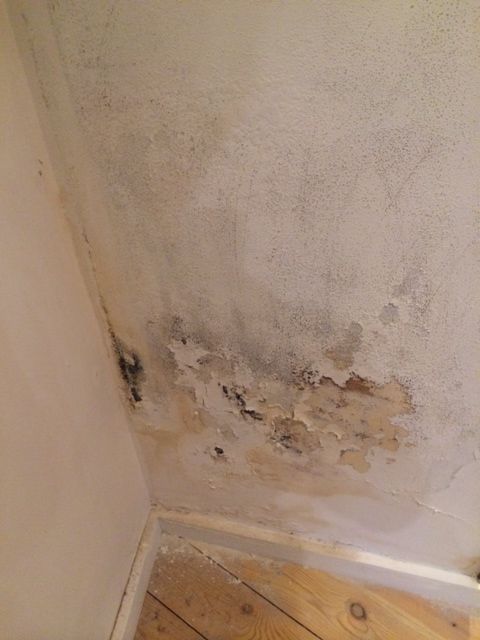
Look out for the following signs:
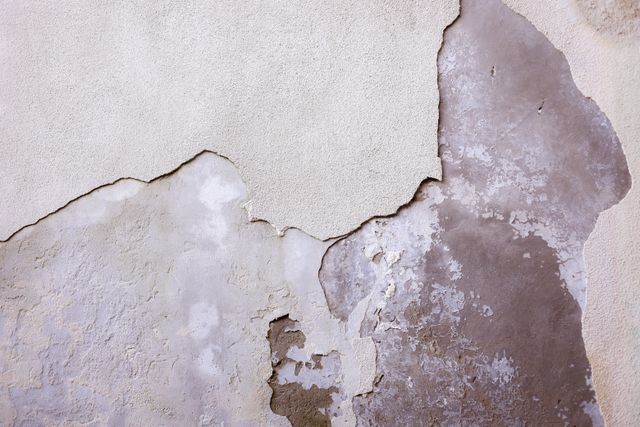
- Peeling, bubbling or flaking paint.
- Dark or discoloured patches on walls.
- White powdery deposits on plaster or masonry.
- Mould growth, particularly in corners and poorly ventilated rooms.
- A persistent musty smell.
- Plaster that becomes soft, loose or damaged.
- Damp patches near floors, windows, ceilings or plumbing installations.
- Water stains that become more visible after rainfall.
Some of these symptoms may also be associated with plumbing leaks, roof defects or condensation. A proper inspection is necessary before deciding on the repair method.
Common Causes of Damp Walls in Kenyan Homes
1. Roof Leaks
Damaged roofing sheets, defective flashing, blocked gutters and leaking roof valleys can allow rainwater to enter the building. The water may travel through the roof structure before appearing as a stain on an interior wall or ceiling. This means the visible damp patch may not be directly below the point where water is entering.
Roof repairs and proper drainage should therefore be completed before repairing the affected interior finishes.
2. Plumbing Leaks
Water pipes installed within walls, floors and ceilings can develop leaks over time. A leaking pipe in a kitchen, bathroom or utility area may gradually saturate the surrounding plaster. Signs can include persistent dampness, discolouration and deterioration of wall finishes.
The correct approach is to locate and repair the leak before allowing the affected area to dry and reinstating the plaster and paint.
3. Poor External Drainage
When rainwater collects beside a building instead of flowing away, moisture can penetrate foundations and lower wall sections. This may happen because of poorly positioned downpipes, blocked drainage channels, inadequate ground slopes or damaged surface drainage.
Improving drainage around the building is an important part of preventing recurring dampness.
4. Cracks in Exterior Walls
Cracks in exterior plaster, masonry joints and wall finishes can create pathways for rainwater. If cracks are not repaired properly, water may penetrate the wall and cause damp patches on the interior surface.
The repair should address the crack, the surrounding substrate and any underlying movement or water-entry problem.
5. Rising Damp
Rising damp occurs when moisture moves upward from the ground through porous building materials. It commonly affects lower wall sections and may be accompanied by damaged plaster, peeling paint and deposits on the surface.
The correct repair depends on the building’s construction and the source of moisture. A professional assessment may be needed to determine whether damp-proofing, drainage improvements or other measures are appropriate.
6. Condensation and Poor Ventilation
Bathrooms, kitchens and bedrooms can accumulate moisture when ventilation is inadequate.
Warm, humid air can condense on cooler surfaces, especially where airflow is limited. Over time, this can encourage mould growth and leave damp-looking patches. Improving ventilation, using suitable extractor fans and addressing cold surfaces can help reduce condensation.
7. Balcony and Terrace Leaks
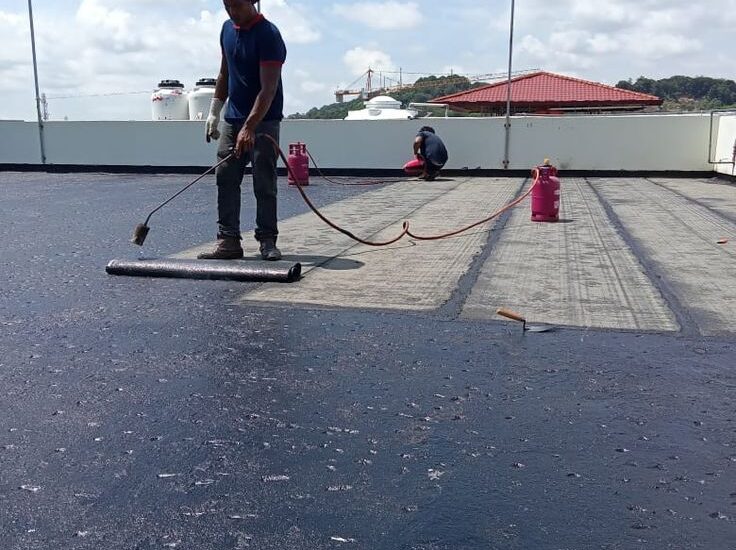
Failed waterproofing on balconies and roof terraces can allow water to pass through floors and adjoining walls.
Cracked tiles, damaged grout, poor drainage and weak waterproofing details around door thresholds can all contribute to leakage. Where water is entering from an exposed terrace, the waterproofing system should be assessed before internal plaster and paint are replaced.
Damp Wall Causes and the Appropriate Repair Approach
| Cause | Recommended repair approach |
|---|---|
| Roof leak | Repair roofing, flashing, gutters and drainage before reinstating interior finishes |
| Plumbing leak | Locate and repair the pipe, allow the area to dry, then repair the wall |
| Cracked exterior render | Remove loose material, repair the crack and apply suitable protective finishes |
| Rising damp | Assess ground drainage and damp-proofing requirements |
| Condensation | Improve ventilation and manage indoor moisture |
| Balcony leak | Repair the substrate, install suitable waterproofing and reinstate finishes |
The repair method should always match the actual cause. Applying the same treatment to every damp wall can lead to repeated failures.
How to Repair Damp Walls Properly
A lasting damp-wall repair generally involves several stages.
Step 1: Inspect the Affected Area
Identify where the dampness appears, how extensive it is and whether it changes after rainfall or plumbing use.
Inspect the roof, exterior walls, nearby plumbing, drainage and adjoining wet areas where relevant.
Step 2: Identify and Correct the Moisture Source
Repair leaking pipes, roof defects, cracks, drainage problems or failed waterproofing before beginning decorative work.
This is the most important stage because new plaster and paint will deteriorate if moisture continues to enter the wall.
Step 3: Remove Damaged Finishes
Loose paint, damaged plaster and unsuitable surface materials may need to be removed from the affected section.
The extent of removal depends on the condition of the wall and the nature of the moisture problem.
Step 4: Allow the Wall to Dry
The wall must be given sufficient time to dry before new finishes are applied. The required drying period depends on the extent of saturation, ventilation and environmental conditions.
Step 5: Reinstate and Finish the Surface
Once the wall is suitable for finishing, repairs may include plaster reinstatement, appropriate primers and compatible paint or protective coatings.
For additional guidance on choosing paint, see our article on matte, satin and gloss paint finishes.
Preventing Damp Walls in Kenyan Homes
Prevention begins with regular property maintenance.
- Clean gutters and downpipes to prevent overflow.
- Direct rainwater away from the foundation.
- Repair roof leaks and damaged flashing promptly.
- Seal appropriate exterior cracks before water penetrates.
- Ensure kitchens and bathrooms have effective ventilation.
- Waterproof bathrooms, balconies and exposed roof terraces.
- Check plumbing connections for leaks.
- Inspect exterior walls after heavy rainfall.
- Avoid allowing water to collect against the building.
- Address peeling paint and damp patches early instead of covering them up.
Our guide to full bathroom renovation in Kenya also explains why waterproofing and proper installation matter in areas exposed to regular water.
Professional Damp Wall Repairs in Kenya
Damp-wall repairs may involve more than painting. Depending on the cause, a complete solution may require plumbing repairs, roof maintenance, drainage improvements, plaster repairs, waterproofing, tiling and repainting.
Renovation Kenya provides renovation services that can support these improvements. We assess the affected areas and help determine which repairs should be completed before the final finishes are installed.
You can explore our house renovation services in Kenya or learn more about common ceiling problems in Kenyan homes, which can sometimes be related to moisture entering from above.
Areas We Serve
Renovation Kenya welcomes damp-wall repair and related renovation enquiries from Westlands, Lavington, Karen, Kilimani, Kileleshwa, Runda, Muthaiga, Gigiri, Loresho, Lang’ata, Spring Valley, Lower Kabete, Ruaka, Utawala and Ruiru.
We also welcome enquiries from Mombasa, Kisumu, Nakuru, Eldoret, Naivasha, Meru, Thika and Machakos, as well as other locations across Kenya. Contact us to confirm availability and arrange an assessment.
Get Help with Damp Wall Repairs
If your walls are peeling, discoloured, mouldy or persistently damp, do not rush into repainting. Identifying the moisture source is the first step towards a durable repair.
Contact Renovation Kenya through Suimas Interiors:
- Call or WhatsApp: 0717 044 443 / 0739 255 050 / 0725 021 709
- Email: info@suimas.co.ke
- Website: https://renovation.co.ke/
Contact our team to discuss your damp-wall problem and request a renovation assessment.