Gypsum Ceiling Designs for Small Bedrooms in Kenya
Gypsum ceiling designs for small bedrooms can make a compact room feel more organised, modern and comfortable without taking up unnecessary space. From simple flat ceilings to slim perimeter borders and shallow tray designs, the right ceiling can complement your bed, wardrobe, lighting and wall finishes.
In many Kenyan homes and apartments, bedrooms have limited floor space and ceiling height. That makes ceiling design an important part of the renovation plan. A heavily layered ceiling may look impressive in a large master bedroom but overwhelm a smaller room. A simpler design with clean lines, neat finishing and carefully positioned lights often works better.
You also need to consider how you use the bedroom. The ceiling should accommodate practical lighting, work with the bed and wardrobe layout, and avoid placing bright fittings where they cause glare while you are resting.
Whether you are renovating a small master bedroom, improving a guest room or upgrading a rental apartment, this guide explores practical gypsum ceiling designs, estimated installation costs in Kenya, lighting ideas and common mistakes to avoid.
Planning a small bedroom renovation? Contact Renovation.co.ke to discuss a ceiling design that suits your room dimensions, preferred finishes and budget.
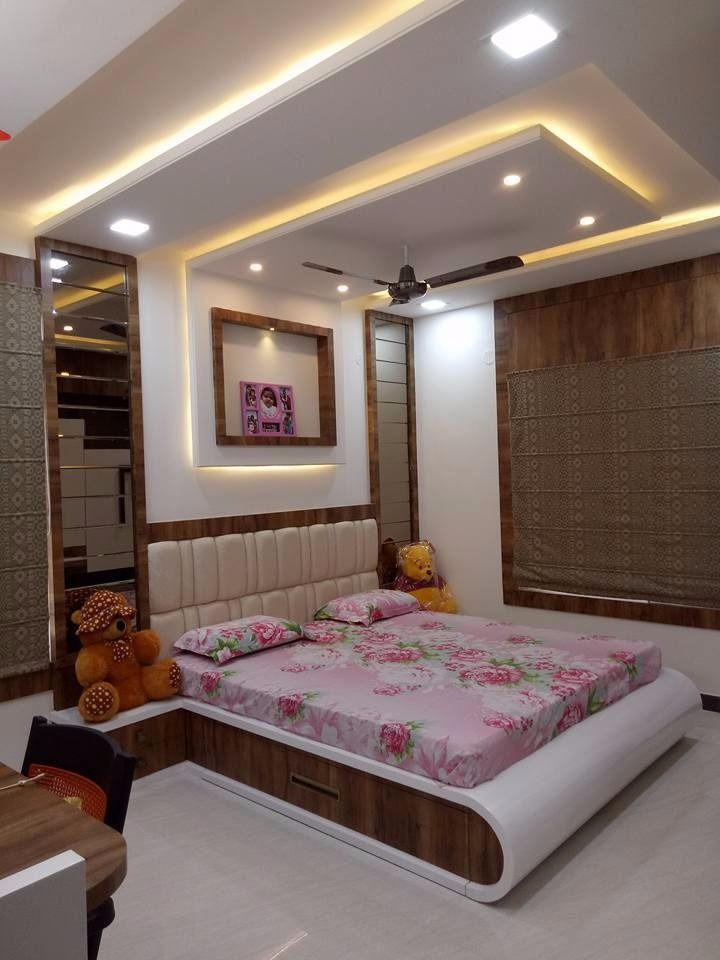
What We Offer
Renovation.co.ke supports homeowners planning gypsum ceiling installations and wider interior improvements. Explore these related services and resources:
- Gypsum ceiling designs with lighting in Kenya for recessed lights, concealed LED strips and integrated lighting.
- Gypsum ceiling installation services for homeowners planning a new ceiling or upgrading an existing one.
- Gypsum ceiling design inspiration for simple and decorative finishes.
- 3D design and layout planning to visualise your proposed ceiling before installation.
- Smart-home-compatible gypsum ceiling designs for compatible dimmable and app-controlled lighting systems.
- Renovation services for coordinating ceiling work with painting, flooring and other improvements.
How Much Do Gypsum Ceiling Designs for Small Bedrooms Cost in Kenya?
The cost of a gypsum ceiling for a small bedroom depends on the ceiling area, design complexity, framework, board specification, installation labour, finishing and lighting requirements.
The following rates come from the published SUIMAS gypsum ceiling installation cost guide. They are indicative planning rates, not guaranteed quotations.
| Gypsum ceiling design | Indicative rate per m² |
|---|---|
| Plain flat gypsum ceiling | KES 1,000–1,500 |
| Simple modern ceiling | KES 1,500–2,500 |
| Bulkheads and stepped designs | KES 2,000–3,500+ |
| Feature ceiling with cove lighting | KES 2,500–4,500+ |
| Complex premium ceiling | KES 4,000–6,000+ |
A simple flat ceiling is generally a practical starting point when you have limited headroom or a tight budget. More elaborate designs require additional materials and labour.
Before comparing quotations, confirm whether the listed price covers gypsum boards, framework, jointing, painting, LED strips, light fittings and electrical work. Contractors may include different items in their rates.
Example: Cost of a 3 m × 3 m Small Bedroom Ceiling
Suppose your bedroom measures 3 metres by 3 metres.
Ceiling area = 3 m × 3 m = 9 m².
Using the indicative rates above, a preliminary budget would be:
| Ceiling option | Estimated cost for 9 m² |
|---|---|
| Plain flat gypsum ceiling | KES 9,000–13,500 |
| Simple modern ceiling | KES 13,500–22,500 |
| Stepped ceiling | KES 18,000–31,500+ |
| Feature ceiling with cove lighting | KES 22,500–40,500+ |
| Complex premium ceiling | KES 36,000–54,000+ |
These figures are illustrative calculations based on the ceiling area multiplied by the indicative rate. They do not guarantee the final installed price. Extra lighting, electrical work, painting, repairs or other items may increase the total if they are not included in the quotation.
For a small bedroom, spending more on complicated ceiling shapes may not improve the result as much as investing in a neat finish and a well-planned lighting arrangement.
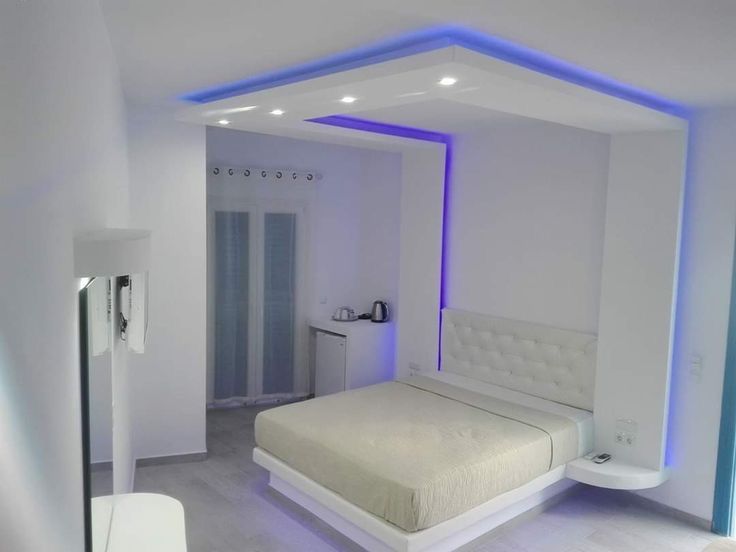
8 Gypsum Ceiling Designs That Work Well in Small Bedrooms
1. Simple Flat Gypsum Ceiling
A flat gypsum ceiling creates a smooth, level surface without decorative layers or deep recesses. It is one of the most straightforward options for a small bedroom.
Because the ceiling remains visually simple, your bed, curtains, wardrobe and wall finishes can provide most of the room’s character. You can choose a central light fitting, suitable recessed lights or another lighting arrangement that matches the layout.
This design also works well when the existing ceiling needs a cleaner, more uniform finish.
Best for: Small bedrooms, apartments, guest rooms and homeowners working with a limited budget.
Design tip: Prioritise accurate framing, smooth joints and a consistent paint finish. A plain ceiling looks much better when the installation is neat.
2. Slim Perimeter Gypsum Ceiling
A slim perimeter ceiling adds a shallow border around the edges while keeping the central part of the ceiling relatively plain.
The border creates a subtle frame without filling the room with multiple shapes. Depending on the design and available height, you may include recessed lights or a concealed lighting channel.
This option suits bedrooms that need more detail than a flat ceiling but cannot accommodate a deep multi-level design.
Best for: Modern small bedrooms and compact apartments.
Design tip: Keep the border proportionate to the room. A wide or deep drop can make the ceiling feel lower and reduce the sense of space.
3. Shallow Tray Gypsum Ceiling
A tray ceiling has a central section that appears recessed or raised relative to the surrounding border. In a small bedroom, the design should remain shallow and simple.
You can align a rectangular tray with the bed or headboard to create a clear focal area. A restrained design can add depth without requiring decorative details across the entire ceiling.
However, a tray ceiling is not suitable for every room. If the existing ceiling is already low, a flat or slim perimeter design may be the better choice.
Best for: Small bedrooms with adequate ceiling height and a clear bed layout.
Design tip: Confirm the finished ceiling height before approving the tray depth. Avoid choosing a design that looks attractive on a drawing but makes the room feel enclosed.
4. Minimalist Ceiling with Recessed Downlights
A minimalist gypsum ceiling with recessed downlights combines a simple surface with fittings positioned to provide practical illumination.
Instead of distributing many lights across the ceiling, plan their positions around the bed, wardrobe and any dressing area. This can provide the required light while maintaining a clean appearance.
Downlights alone may not provide the most comfortable lighting for every bedroom activity. Bedside lamps or suitable wall lights can provide additional light for reading without requiring brighter overhead fittings.
Best for: Small bedrooms, modern apartments and minimalist interiors.
Design tip: Avoid positioning bright fittings where they shine directly into your eyes while you are lying in bed. Check the light output, beam direction and furniture layout before finalising the arrangement.
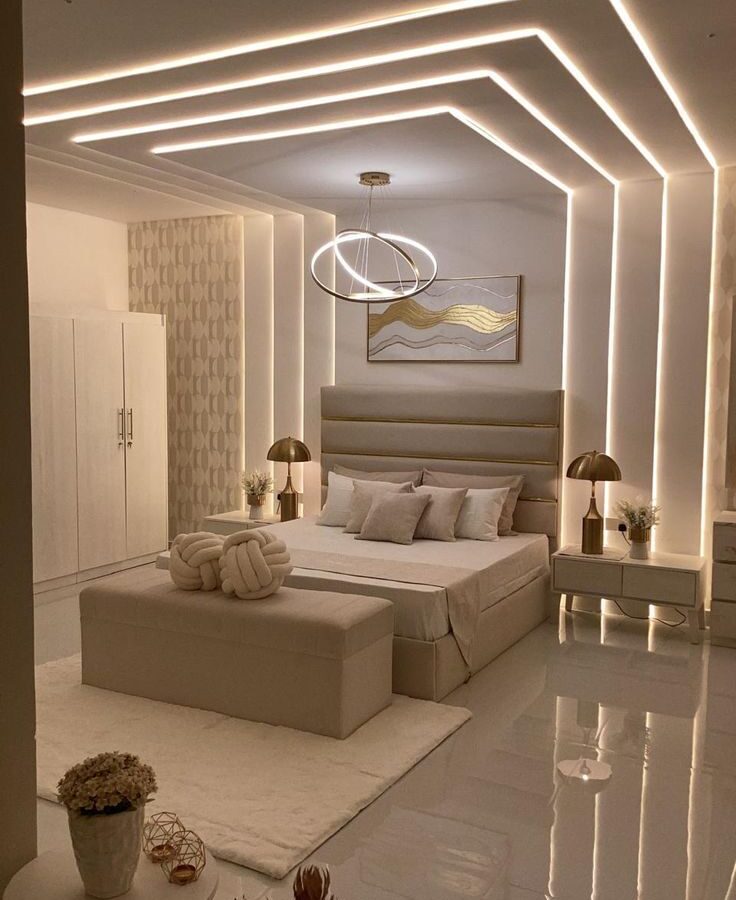
5. Perimeter Cove Lighting
Perimeter cove lighting uses a recessed edge or channel to conceal an LED strip. The light reflects across the ceiling or adjoining surfaces rather than coming directly from an exposed strip.
This gives the bedroom a soft, decorative glow while allowing the main ceiling surface to remain simple.
Cove lighting can work with a flat central section or a shallow perimeter design. However, the installer needs to plan the channel, wiring, driver location and maintenance access before fixing the gypsum boards.
Best for: Modern small bedrooms where soft ambient lighting is a priority.
Design tip: You do not need a deep or elaborate ceiling to use cove lighting. A modest recess can provide a useful visual feature when designed for the available height.
6. Single-Level Geometric Ceiling
A geometric ceiling introduces one clear shape, such as a rectangle or square, to give the room a defined architectural detail.
In a small bedroom, it is usually better to use one carefully positioned shape than several overlapping patterns. You can coordinate the shape with the bed, headboard or another strong line in the room.
This design also allows you to introduce character without using additional colours or elaborate decorative mouldings.
Best for: Contemporary bedrooms with simple furniture and clean lines.
Design tip: Align the pattern with the bed or headboard. An off-centre shape can make the ceiling look unbalanced, even when the workmanship is good.
7. Simple Ceiling with a Central Light or Fan
Some small bedrooms need a straightforward ceiling that accommodates a central light or ceiling fan. A flat gypsum ceiling can provide this without requiring a large decorative feature.
The key is to coordinate the fitting position with the room layout. The centre of the ceiling does not always correspond to the best position for a fan or light, especially when the bed and wardrobe occupy different sections of the room.
Heavy fixtures also require suitable structural support. Never rely on the gypsum board alone to support a fitting that needs independent support.
Best for: Small bedrooms where simple lighting, airflow or a clean finish matters more than elaborate decoration.
Design tip: Confirm the fan or light support, clearances and wiring requirements before installing the boards.
8. Ceiling Feature Aligned with the Headboard
This design uses a small ceiling feature to complement the wall behind the bed. A shallow rectangle, short LED channel or simple border can create a visual connection between the ceiling and headboard.
The feature does not need to extend across the entire room. A restrained detail can be enough to make the bed area feel considered and coordinated.
This approach is especially useful when the bedroom already has a decorative headboard or feature wall. The ceiling should complement those finishes rather than compete with them.
Best for: Small master bedrooms and bedrooms undergoing a coordinated interior makeover.
Design tip: Confirm the bed location and headboard dimensions before setting out the ceiling. This helps position the feature accurately and avoids unnecessary decorative work.
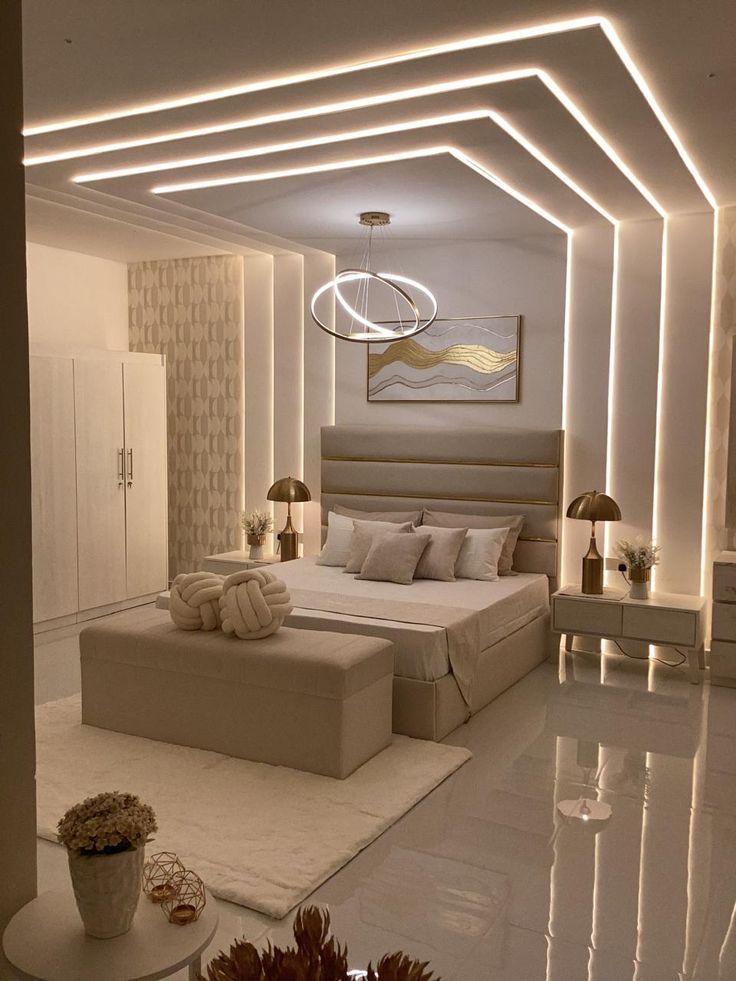
Which Gypsum Ceiling Design Is Best for Your Small Bedroom?
The most suitable option depends on the bedroom’s shape, available headroom, natural light, furniture and budget.
| Bedroom condition | Suitable design | What to prioritise |
|---|---|---|
| Very low ceiling | Flat gypsum ceiling | Preserve headroom |
| Small square bedroom | Flat or single-shape geometric design | Keep the layout balanced |
| Narrow rectangular bedroom | Flat ceiling or slim perimeter border | Follow the room’s proportions |
| Small bedroom with a modern headboard | Headboard-aligned ceiling feature | Coordinate the focal area |
| Bedroom needing softer ambient light | Shallow cove-lit design | Plan the LED channel and access |
| Bedroom needing general overhead lighting | Flat ceiling with recessed or central lighting | Avoid glare |
| Small room with a fan | Simple fan-compatible layout | Check support and clearance |
| Bedroom on a tight budget | Flat gypsum ceiling | Prioritise workmanship and finishing |
Do not choose a ceiling based only on a photograph. A design from a large master bedroom may require more depth, materials and lighting than your room can accommodate.
Measure the bedroom first, check the existing ceiling height and then select a design that matches the actual space.
How to Make a Small Bedroom Feel More Spacious with a Gypsum Ceiling
A carefully designed ceiling can support a cleaner, more open appearance. These practical decisions can help you avoid making a compact bedroom feel crowded.
Keep the Ceiling Simple
A flat surface or slim perimeter detail generally provides a more restrained finish than several deep layers. Use decorative shapes only where they add something useful to the design.
Protect the Available Headroom
A false ceiling occupies some of the space beneath the original ceiling. Ask the installer how much height the framework and proposed design will use before approving the layout.
Use Lighting Purposefully
Plan the lighting according to how you use the room. General illumination, bedside reading and accent lighting serve different purposes, and they do not all need to come from the ceiling.
Coordinate the Ceiling with the Furniture
Consider the bed, wardrobe, bedside tables, dressing mirror and curtains before deciding where the ceiling feature will sit. A well-coordinated layout can look more organised than a complicated ceiling that ignores the furniture.
Choose a Consistent Colour Scheme
A light ceiling can complement many bedroom styles, but the best colour depends on the walls, flooring, natural light and furniture. The aim is to create a consistent look rather than relying on a particular colour to make every room feel larger.
Avoid Oversized Light Fittings
A large pendant or chandelier may dominate a compact bedroom. Select a fitting that suits the available height and provides the required light without obstructing the room.
Consider the Entire Bedroom
The ceiling should work with the wall finish, headboard and floor. You can review the proposed arrangement through 3D design and layout planning before committing to the construction.

How to Choose Lighting for a Small Bedroom Ceiling
Lighting plays an important role in the design because a compact bedroom has limited space for multiple fixtures.
General lighting: A central ceiling fitting or suitably positioned downlights can provide the room’s main illumination.
Bedside lighting: Table lamps or wall lights can support reading without requiring bright overhead lighting.
Accent lighting: A concealed LED strip can highlight a small ceiling recess or headboard feature.
Warm ambient lighting: Warm-white light around 2700K–3000K is a useful starting point for a relaxed evening atmosphere. The final choice depends on personal preference, wall colours and the lighting’s intended purpose.
Separate controls: Where practical, use independent controls for the main lighting and decorative lighting. This allows you to use only the light you need instead of switching everything on at once.
Before purchasing light fittings, confirm their dimensions, light output, compatibility with any dimmer and installation requirements. If you are adding LED strips, plan the driver location and access for future maintenance.
For more options, explore gypsum ceiling designs with lighting in Kenya.
Factors That Affect the Cost of a Small Bedroom Gypsum Ceiling
Several factors can affect your actual installation budget.
1. Ceiling Area
A larger room usually needs more boards, framing material and labour. However, a compact bedroom with a detailed shape can require more work per square metre than a simple flat ceiling.
2. Design Complexity
Flat ceilings are generally simpler than tray, stepped or geometric designs. Additional levels and recesses require more careful setting-out, cutting and finishing.
3. Lighting Requirements
Downlights, LED strips, drivers, switches and electrical work may increase the total cost. Confirm which lighting components are included in the ceiling quotation.
4. Material Specifications
Board types, framing components, fasteners and jointing materials affect the installation. Choose materials suitable for the intended application and the existing building conditions.
5. Painting and Finishing
Joint treatment, surface preparation, primer and paint influence the finished appearance. A simple design still needs careful workmanship to achieve smooth surfaces and neat edges.
6. Existing Ceiling Conditions
Repairs, moisture problems, old ceiling removal or changes to existing electrical points may add to the cost. Address the underlying cause of damage before installing new boards.
7. Transport and Site Access
The installation team may need to account for transport, access restrictions and working conditions. Confirm these requirements when requesting a quotation.
Common Mistakes to Avoid
A small bedroom can lose its sense of space when the ceiling is poorly planned. Avoid these common mistakes:
- Choosing an oversized design: A pattern made for a large master bedroom may overwhelm a smaller room.
- Reducing headroom unnecessarily: Deep layers can make the ceiling feel lower.
- Installing too many downlights: Excessive fittings can clutter the design and increase costs without improving comfort.
- Ignoring the bed position: A central feature may appear unbalanced when it does not line up with the headboard.
- Planning lighting too late: Decide the fitting positions and wiring requirements before closing the ceiling.
- Using unsuitable supports: Fixtures that need structural support must not rely on gypsum board alone.
- Leaving no maintenance access: Concealed LED drivers and serviceable components need an appropriate access plan.
- Covering moisture damage: Repair leaks and address the source of moisture before installing the new ceiling.
- Accepting an unclear quotation: Confirm the materials, labour, finishing, lighting and exclusions in writing.
A well-planned simple ceiling can deliver a better result than an elaborate design with poor proportions or uneven finishing.
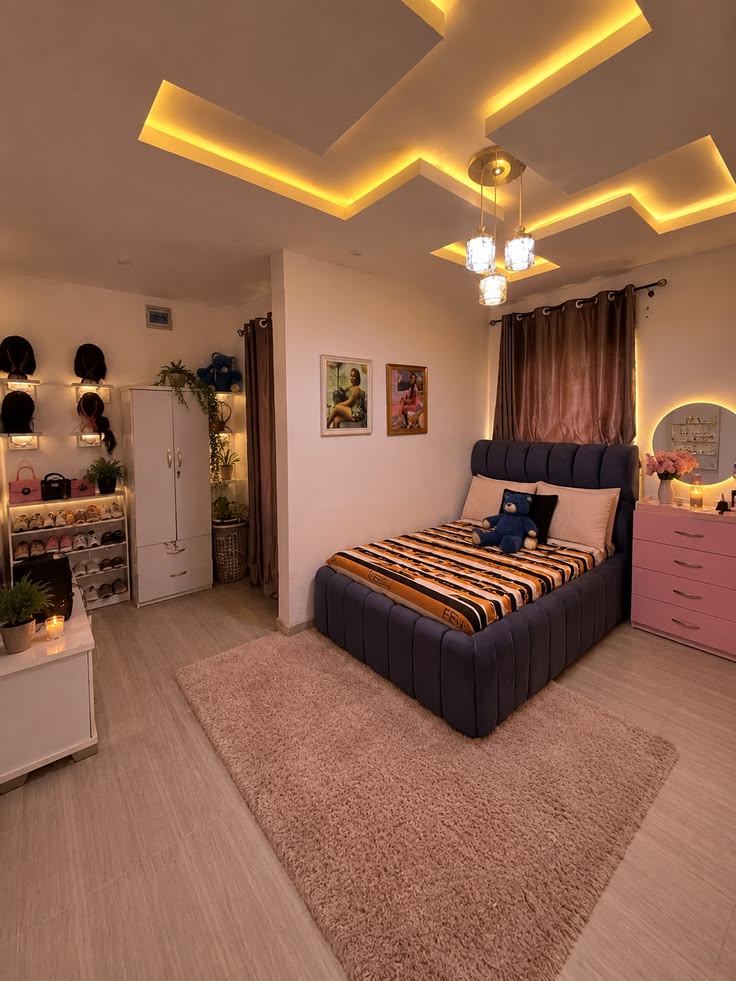
Gypsum Ceiling Installation Process for Small Bedrooms
A straightforward installation process helps keep the design and budget aligned.
Step 1: Measure the Bedroom
Record the room’s length and width, assess the existing ceiling height and identify the position of the bed, wardrobe, windows and electrical points.
Step 2: Inspect the Existing Ceiling
Check for leaks, cracks, damaged surfaces and wiring that requires attention. Resolve underlying issues before installing the new ceiling.
Step 3: Select the Design
Choose a flat ceiling, slim border, shallow tray or another design suited to the room. Confirm the finished height and proportions before approving the layout.
Step 4: Plan the Lighting
Select the fitting types, positions, switches and lighting controls. Confirm wiring routes and the location of any LED drivers.
Step 5: Prepare the Quotation
Request a written quotation that lists the materials, ceiling area, labour, finishing, painting and lighting scope. Clarify exclusions before work starts.
Step 6: Install the Framework and Boards
The installer sets out the supporting framework and fixes the boards according to the approved design. Electrical work should be coordinated with the ceiling installation.
Step 7: Finish and Paint
Treat the joints, prepare the surface and apply the agreed finish. Neat edges and consistent paint coverage are particularly important on simple ceilings.
Step 8: Fit the Lights and Inspect the Work
Install and test the light fittings and controls. Inspect the ceiling alignment, surface quality and access to serviceable components before handover.
The timeline depends on the room size, design complexity, material availability, drying times and any additional renovation work.
Why Choose Renovation.co.ke for Small Bedroom Ceiling Upgrades?
A successful small-bedroom ceiling project requires careful planning. The design needs to match the room dimensions, preserve practical headroom and work with the furniture and lighting.
Renovation.co.ke provides renovation services for homeowners planning ceiling upgrades and wider interior improvements. Whether you prefer a flat gypsum ceiling, a slim perimeter border or a restrained lighting feature, begin with the design that best suits your space and budget.
When requesting a quotation, provide your bedroom measurements, preferred style, location and photos of the current ceiling. These details help clarify the work required before installation begins.
You can also review SUIMAS gypsum ceiling installation services, Interior Designers Kenya and interior finishing resources when coordinating the ceiling with other bedroom finishes.
Areas We Serve Across Kenya
Renovation enquiries can cover all 47 counties: Baringo, Bomet, Bungoma, Busia, Elgeyo-Marakwet, Embu, Garissa, Homa Bay, Isiolo, Kajiado, Kakamega, Kericho, Kiambu, Kilifi, Kirinyaga, Kisii, Kisumu, Kitui, Kwale, Laikipia, Lamu, Machakos, Makueni, Mandera, Marsabit, Meru, Migori, Mombasa, Murang’a, Nairobi City, Nakuru, Nandi, Narok, Nyamira, Nyandarua, Nyeri, Samburu, Siaya, Taita-Taveta, Tana River, Tharaka-Nithi, Trans Nzoia, Turkana, Uasin Gishu, Vihiga, Wajir and West Pokot.
Within Nairobi, enquiries may include homes in Nairobi CBD, Westlands, Kilimani, Kileleshwa, Lavington, Karen, Runda, Kasarani, Roysambu, South B and South C. In Mombasa, project enquiries may include Nyali, Bamburi, Kizingo and Tudor. Site assessments, transport and scheduling depend on the project’s scope and location.
Get a Quotation for Gypsum Ceiling Designs for Small Bedrooms
The best gypsum ceiling for a small bedroom is not necessarily the most elaborate one. A flat finish, slim perimeter border or shallow lighting feature can provide a modern appearance while preserving headroom and keeping the room practical.
Start with your measurements, choose a design that complements the bed and wardrobe, and plan the lighting before installation. Request a written quotation so you know exactly what the project includes.
Contact Renovation.co.ke to discuss your small-bedroom ceiling project.
Visit the Renovation.co.ke contact page to make an enquiry.
Frequently Asked Questions
1. Which gypsum ceiling design is best for a small bedroom?
A flat gypsum ceiling or slim perimeter design is a practical starting point. A shallow tray or concealed LED feature may also work when the room has enough ceiling height.
2. Can I install a false ceiling in a bedroom with low height?
Yes, but the design needs to preserve sufficient headroom. Ask the installer to confirm the finished ceiling height and consider a flat ceiling or a shallow border instead of deep layers.
3. How much does a gypsum ceiling cost for a small bedroom in Kenya?
Indicative planning rates range from KES 1,000–1,500 per m² for a plain gypsum ceiling to KES 2,500–4,500+ per m² for a feature ceiling with cove lighting. The final price depends on the specifications and items included in the quotation.
4. Is a tray ceiling suitable for a small bedroom?
It can be suitable when the ceiling height allows a shallow design. If the room is already low, a flat ceiling or slim perimeter feature may be a better option.
5. Can I use LED strip lights in a small bedroom ceiling?
Yes. Concealed LED strips can create soft ambient lighting in a suitable recess. Plan the channel, wiring, driver location and maintenance access before installing the boards.
6. Are recessed downlights suitable for small bedrooms?
Yes, provided the layout and light output suit the room. Avoid excessive fittings and consider whether any light will cause glare while you are lying in bed.
7. Which ceiling colour works best in a small bedroom?
White and light neutral colours suit many interiors, but the best choice depends on the walls, floor, furniture and natural light. Aim for a coordinated finish rather than choosing colour based on room size alone.
8. Can I install a ceiling fan with a gypsum ceiling?
Yes, if the supporting structure, fan clearance and electrical arrangements are suitable. The fan must have proper support independent of the gypsum board where required.
9. What should a gypsum ceiling quotation include?
Ask for the design, measurements, board specifications, framework, labour, joint finishing, painting, lighting, wiring, transport and any exclusions. A written scope makes it easier to compare quotations fairly.
10. How can I avoid making a small bedroom look crowded?
Choose a simple ceiling, protect the available headroom, avoid oversized fittings and coordinate the design with the bed and wardrobe. Use decorative shapes only where they improve the overall layout.